The Free Expert Guide to Caffeine Strip Dosage and Timing for Maximum Focus
Jump to Section
In the high-stakes world of modern productivity, caffeine is often the primary fuel. However, most professionals use it inefficiently. Traditional liquid coffee creates a "slow burn" that is often interrupted by bathroom breaks, digestive upset, and the unpredictable nature of stomach acid absorption. Enter caffeine strips—a precision tool designed for those who need immediate mental clarity without the bulk of a beverage.
This guide dives deep into the pharmacokinetics of thin-film caffeine delivery, helping you master the exact dosage and timing required to turn your brain into a high-performance machine.
Understanding Sublingual Absorption vs. Digestion
The primary advantage of caffeine strips lies in how they enter your bloodstream. When you drink a cup of coffee, the caffeine must pass through your esophagus, enter the stomach, and eventually reach the small intestine for absorption. This process can take anywhere from 30 to 60 minutes to reach peak plasma levels, and it is heavily influenced by what you last ate.
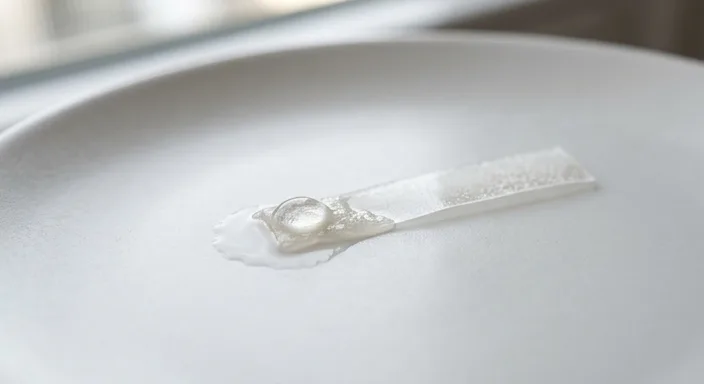
Caffeine strips utilize sublingual and buccal absorption. As the thin film dissolves on your tongue or against your cheek, the caffeine bypasses the digestive tract and enters the bloodstream directly through the mucous membranes. This results in a faster onset of action—often within 5 to 15 minutes—allowing for much tighter control over your focus levels.
Determining Your Ideal Caffeine Strip Dosage
Dosage is not a one-size-fits-all metric. Because strips are more bioavailable than liquid coffee, you often need less total caffeine to achieve the same mental effect. For most users, a single strip contains between 40mg and 100mg of caffeine—roughly equivalent to a standard espresso or a strong cup of tea.
To find your "Sweet Spot," consider the following tiers:
- Micro-Dosing (20mg - 40mg): Ideal for maintaining steady focus throughout the day without significant spikes. This is best for long, analytical tasks.
- The Standard Boost (50mg - 80mg): The optimal dose for most cognitive work. This provides a clear "lift" in mood and alertness.
- The Performance Peak (100mg+): Reserved for high-intensity situations, such as public speaking or intense creative sessions. Warning: doses in this range may cause jitters in sensitive individuals.
The Science of Timing for Peak Productivity
Timing your caffeine intake is arguably more important than the dose itself. Because caffeine strips work quickly, you should time your intake based on the "Focus Window."
For a 9:00 AM meeting where you need to be sharp, you should take the strip at 8:45 AM. Unlike liquid coffee, which you might start sipping at 8:15 AM, the strip's rapid delivery means you don't have to account for a long "ramp-up" period. Furthermore, because the half-life of caffeine is approximately 5 to 6 hours, strategic re-dosing is key. If you are working an 8-hour shift, a second micro-dose 4 hours after the first can bridge the gap and prevent the dreaded afternoon slump.
Strategic Use: Avoiding the Jitters and Crashes
One of the biggest complaints regarding caffeine is the "crash." This usually occurs when caffeine wears off while the brain is flooded with adenosine—the chemical that signals sleepiness. Caffeine strips help mitigate this because you can control the dosage more precisely.
To avoid jitters, ensure you are hydrated. While caffeine strips don't have the volume of coffee, caffeine itself is a mild diuretic. Pairing your strip with a glass of water can help smooth out the physiological effects. Additionally, avoid taking strips on an entirely empty stomach if you are highly sensitive, though one of the benefits of strips is that they are generally easier on the stomach than acidic coffee.
Managing Tolerance and Sensitivity
Over time, your brain develops more adenosine receptors to compensate for the caffeine, leading to tolerance. To keep caffeine strips effective for focus, we recommend a "Cycling Strategy."
Try the 5:2 rule: use caffeine strips during your five most demanding workdays and go "caffeine-light" or caffeine-free on the weekends. This resets your sensitivity, ensuring that the next time you use a strip for a Monday morning deadline, it delivers the maximum possible cognitive benefit.