For decades, the ritual of the morning coffee has been the cornerstone of productivity. But as our lives become faster and more mobile, the limitations of liquid coffee are becoming more apparent. From stained teeth and "coffee breath" to the inevitable mid-morning bathroom run and the lag time of digestion, coffee isn't always the most efficient delivery system for caffeine.
Enter caffeine strips—a modern, discreet, and highly efficient alternative. This guide will walk you through everything you need to know to transition from the mug to the strip without losing your edge.
Caffeine has been consumed for centuries, primarily through brewed beverages like tea and coffee. While these methods are traditional, they are bound by the physics of digestion. When you drink coffee, the caffeine must pass through your esophagus, into your stomach, and eventually into your small intestine before it is absorbed into your bloodstream. This process can take anywhere from 30 to 60 minutes.
The evolution toward caffeine strips represents a shift toward precision pharmacology. By delivering caffeine in a thin, water-soluble film, we bypass the gastrointestinal tract entirely. This isn't just about convenience; it's about optimizing how your body interacts with its favorite stimulant.
If you're a high-performer, your environment often dictates your habits. Drinking a hot liquid while commuting, in a clean-room environment, or during back-to-back Zoom calls is cumbersome. Here are the primary drivers for the switch:
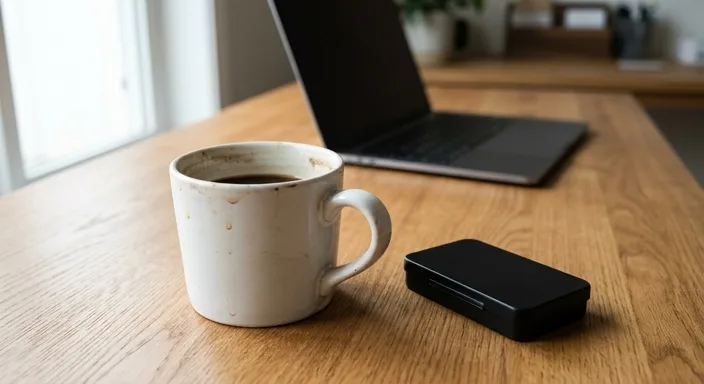
The secret to the effectiveness of caffeine strips lies in sublingual absorption. The mucosal membranes in your mouth are rich in capillaries. When a strip dissolves on your tongue, the caffeine enters your bloodstream directly.
In contrast, liquid coffee is subject to "first-pass metabolism." This means a portion of the caffeine is processed by the liver before it ever reaches your brain. Studies suggest that sublingual delivery can result in a faster onset of alertness, often felt within minutes. This "instant-on" effect eliminates the groggy waiting period associated with waiting for the pot to brew and the cup to cool.
One of the biggest hurdles in switching is understanding dosage. A standard 8oz cup of brewed coffee contains approximately 95mg of caffeine. However, most coffee drinkers consume 12oz or 16oz servings, pushing their intake to 150mg-200mg per "cup."
Most caffeine strips are dosed at 40mg or 50mg. While this may seem lower, the higher bioavailability means you need less total caffeine to achieve the same level of alertness. A good rule of thumb for your transition is:
To avoid "caffeine withdrawal" headaches while your body adjusts to a different delivery method, follow this gradual step-down approach:
Days 1-2: The Hybrid Method. Have your normal morning coffee, but replace your mid-morning or afternoon cup with 2 caffeine strips. Notice how the "crash" feels different.
Days 3-4: The Morning Swap. Replace your first cup of the day with 2 strips. If you still crave the warmth, drink a cup of herbal tea or warm lemon water. This separates the "heat ritual" from the "caffeine need."
Days 5-6: Full Integration. Use strips for all caffeine needs. Carry them in your pocket or laptop bag. Whenever you feel the urge to go to the breakroom or café, take a strip instead.
Day 7: Evaluation. Assess your energy levels, your teeth whiteness, and your budget. Most users find they are more productive because they aren't constantly interrupted by the logistics of coffee.
Many people struggle to switch not because they need the liquid, but because they love the ritual. The smell of grinding beans and the warmth of the mug are psychologically soothing. To successfully switch to strips, you must replace the ritual, not just the chemical.
Try replacing the "coffee break" with a "movement break." When you take a caffeine strip, use the 5 minutes you would have spent waiting in line at a café to stretch, take a short walk, or practice deep breathing. By the time you return to your desk, the sublingual caffeine will be hitting your system, and the physical movement will have naturally boosted your circulation.
Typically, two strips (40-50mg each) equal one standard 8oz cup of coffee. However, because strips absorb faster, you may find you need fewer than you think.
Most caffeine strips are formulated with mint or citrus flavors to mask the naturally bitter taste of caffeine. They do not usually taste like coffee, which is a benefit for those looking to avoid "coffee breath."
Yes. In fact, many people switch to strips specifically because they are non-acidic and don't trigger the GERD or stomach upset often caused by liquid coffee.
Caffeine strips contain the same caffeine found in coffee. As with any stimulant, you should monitor your total daily intake and consult a doctor if you have heart conditions or sensitivity to stimulants.
Caffeine Energy Strips
View on AmazonCaffeine Mints
View on AmazonShare this guide: